DUI Exit Ban in Korea for Foreigners
Arrested for drunk driving in South Korea? Here's what happens next — and how we stop an exit ban.
Just Got a DUI in Korea? Read This First.
A DUI arrest in South Korea moves quickly. Within hours of a drunk driving stop, prosecutors can request a departure prohibition (출국금지) — a legal order that prevents you from leaving the country. For foreigners, this is often the first thing imposed, because investigators treat foreign nationals as a higher flight risk.
If you were stopped or arrested for drunk driving in Korea, the two questions that matter most right now are: Will I be put on an exit ban? And what happens to my visa? This page answers both — and explains what an attorney can do to protect you.
"We were retained the same evening of our client's DUI arrest. By the following morning, we had already submitted a written opposition to the prosecutor's exit ban request — and it was not imposed."
— Yeohae Law Firm case file (details anonymized)
Professional Interpretation Services
We provide in-house interpretation in English, Chinese, Russian, Vietnamese, Thai, and Japanese—ensuring you can discuss your case comfortably in your native language from initial consultation through courtroom proceedings.

한국어, English
Tiếng Việt
日本語
русский
What Is a Departure Prohibition (출국금지) in Korea?
A departure prohibition (출국금지 or 출국정지) is a formal legal order that bars a person from leaving South Korea. It is not the same as detention — you are not in jail — but you cannot board an international flight or cross any border until the order is lifted.
Under the Immigration Control Act (출입국관리법 Article 4) and the Criminal Procedure Act, a prosecutor can request the Ministry of Justice to impose a departure prohibition during an active criminal investigation. The Ministry can issue the order within hours of a request.
For DUI cases involving foreigners, this is a common and immediate concern.
When Can an Exit Ban Be Imposed After a DUI?
Not every DUI automatically results in an exit ban. Korean prosecutors weigh several factors when deciding whether to request one:
High BAC or Aggravated DUI
A blood alcohol content (BAC) of 0.08% or higher is where criminal penalties escalate significantly. At this level — and especially at 0.2% or above — prosecutors are more likely to view the case as serious enough to warrant departure prohibition.
A second DUI offense (habitual DUI) almost always triggers one.
Accident Involving Injury or Death
If your DUI resulted in a traffic accident where someone was injured, the risk of exit ban increases substantially. Fatal accidents involving drunk driving are treated as the most serious category and will almost certainly result in a departure prohibition being requested immediately.
Foreign Nationality (Flight Risk Presumption)
Korean law does not explicitly single out foreigners, but in practice, foreign nationals are considered higher flight risks because they have a means of escape (an international passport) and fewer ties to Korea. Prosecutors routinely request exit bans for foreign DUI suspects as a precaution — even in cases where they would not do so for Korean nationals.
Failure to Appear or Ignoring a Police Summons
If you have already received a police summons related to a DUI and have not responded, the risk of an immediate exit ban — or an arrest warrant — increases significantly.
Contact an attorney before your next contact with the authorities.
How Long Does a DUI Exit Ban Last in Korea?
The initial departure prohibition period is typically up to one month, but it can be extended multiple times as the investigation and prosecution proceed. In practice, exit bans in serious DUI cases can last for the duration of the criminal proceedings — potentially six months to over a year if the case goes to trial.
The ban is formally lifted when: (1) the investigation is closed without charges, (2) you are acquitted, (3) your sentence is finalized and no further legal process requires your presence, or (4) the court or Ministry of Justice grants a lift following a legal challenge.

Police Stop and Field Procedures
If you are stopped by the police for suspected drunk driving, it is generally advisable to comply with their request for a breathalyzer test. Depending on the blood alcohol concentration (BAC) and whether an accident occurred, the police may either allow you to return home after informing you of a future investigation date or place you under immediate arrest and hold you in custody. If you are arrested on the spot, the case may quickly lead to a request for a detention warrant. Therefore, it is strongly recommended to retain an attorney immediately to assess your legal position and consider ways to prevent detention.
If a traffic accident occurs and someone is injured, you must provide aid without delay. Leaving the scene out of fear or panic may be considered a hit-and-run, resulting in severe criminal liability.

Preparing for Investigation
If you receive a summons or notice to appear from the police or prosecution, you should consult a lawyer as soon as possible. A lawyer can advise you on what to watch out for before attending the investigation, and ideally, accompany you to protect your rights during questioning. Ignoring a summons or attempting to evade contact may result in the immediate issuance of an arrest warrant and forced apprehension.
By attending voluntarily, with legal counsel, and preparing supporting materials to explain your position, you may be able to avoid detention or even obtain a non-prosecution decision depending on the circumstances. A calm and well-advised response in the early stages often determines the direction of the entire criminal case.
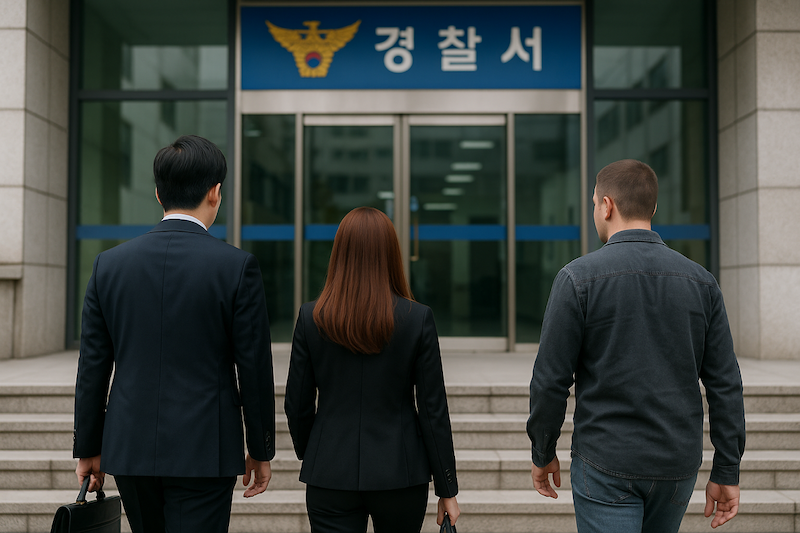
Investigation Phase
In cases involving a high BAC or physical injury, foreign suspects are often considered flight risks due to their limited local ties, which increases the likelihood that a detention warrant will be issued. At Yeohae Law Firm, we work to prevent arrest or detention through strong legal advocacy. If detention is unavoidable, we promptly file for a detention review (habeas corpus) to seek release.
During the investigation, we provide pre-interview guidance to prevent misunderstandings or self-incriminating statements. Where needed, we help draft written statements or attend the investigation in person to object to inappropriate questioning. Foreign suspects may have difficulty expressing themselves fully in Korean, so it is critical that a lawyer accurately convey their position through a qualified interpreter.
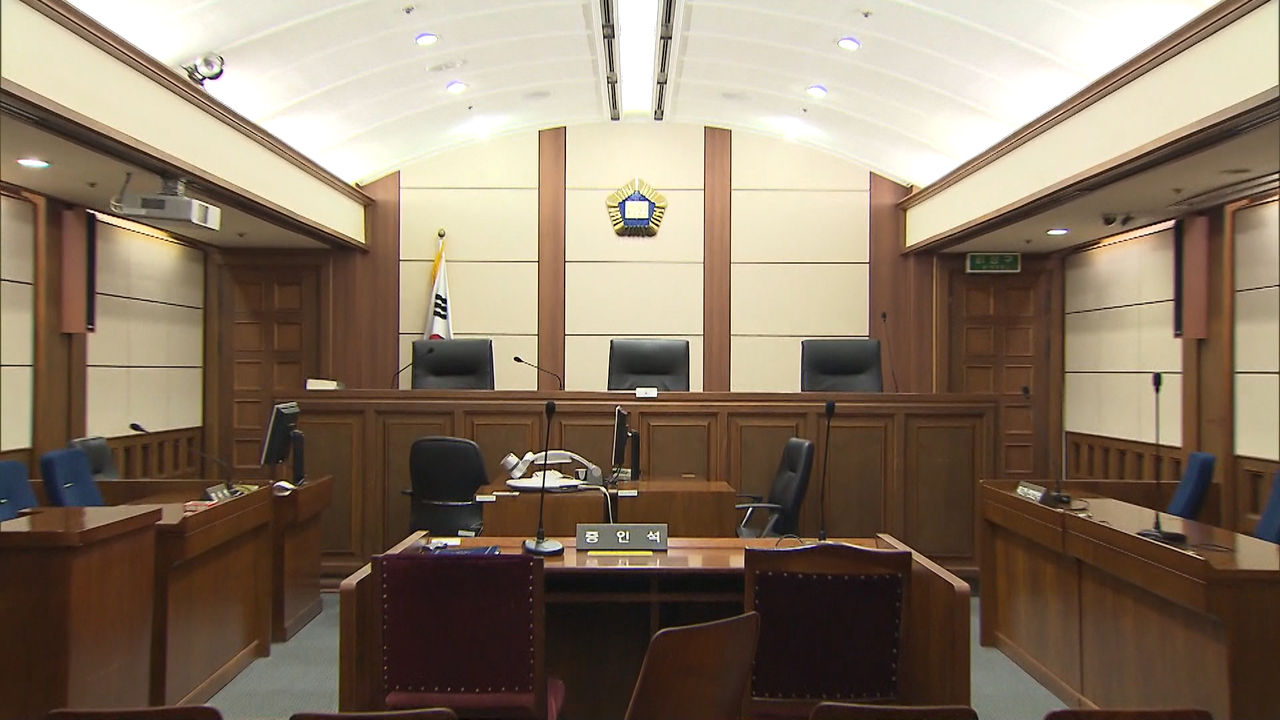
Trial Phase
If the prosecution files formal charges, the matter proceeds to court, where factual and legal issues are contested. Your lawyer will thoroughly review the indictment and evidence list, carefully distinguishing between favorable and unfavorable items. In DUI-related traffic accident cases, key evidence may include breathalyzer readings, accident scene photos, reports from the Road Traffic Authority, medical certificates, and repair estimates.
We challenge the admissibility and legality of evidence where applicable and reinterpret evidence to raise reasonable doubt. If needed, we reference legal precedents showing acquittals or lenient sentences in similar cases to persuade the court.
Sentencing advocacy is equally important. Even if guilt is admitted, strong arguments for mitigation must be made. With well-prepared sentencing materials, it is often possible to obtain a suspended sentence or even a decision not to record a conviction. At Yeohae Law Firm, we actively present the defendant’s personal circumstances and need for leniency to minimize punishment.
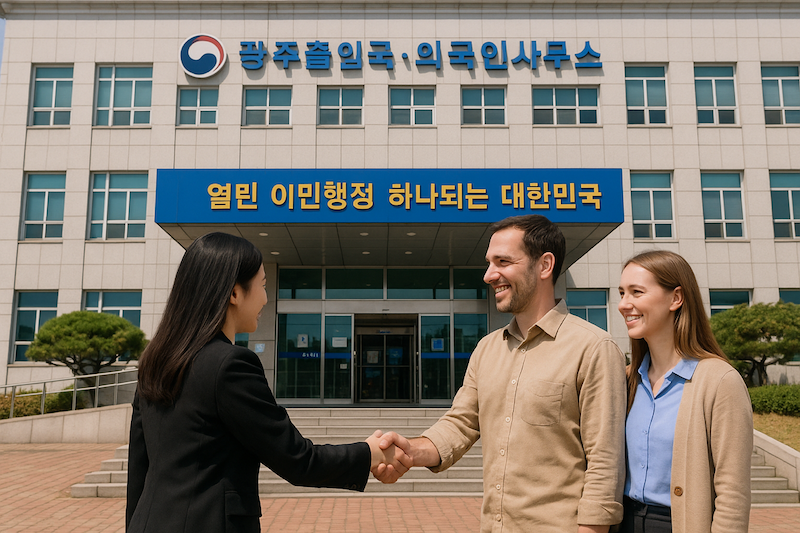
Deportation Review Stage
A criminal conviction can trigger deportation under immigration law once any sentence is executed. Our firm’s deportation-defense attorneys prepare detailed written submissions and, if necessary, present oral arguments to the Immigration Review Board. We emphasize mitigating circumstances—remorse, health issues, family ties in Korea, absence of intent—and, for clients with Korean spouses or minor children, request permission to remain or postponement of removal. By coordinating criminal defense with immigration advocacy from the start, we work to preserve your right to stay in Korea.
Can an Exit Ban Be Challenged or Lifted?
Yes — and this is where having an attorney makes a decisive difference.
Opposing the Initial Request
An attorney can submit an immediate written opposition to the prosecutor before the ban is formally issued. If successful, the prohibition is never imposed — and the case proceeds without this complication. The window for this intervention is narrow, which is why same-day
contact with an attorney matters.
Administrative Appeal (행정심판)
If an exit ban has already been imposed, the subject or their attorney can file an administrative appeal (행정심판) with the Central Administrative Appeals Commission. This process challenges the legal basis and proportionality of the ban. While this takes longer than an emergency court injunction, it is a standard route for contesting departure prohibitions.
Court Injunction — Emergency Suspension (집행정지)
In urgent situations — for example, when a client has a critical family emergency or business commitment abroad — an attorney can apply to the administrative court for an emergency suspension of the exit ban (집행정지). The court can grant this within days if the circumstances justify it.
Negotiation with the Prosecutor
In many cases, the most practical path is direct negotiation with the assigned prosecutor. An attorney can propose arrangements that address the prosecutor's concerns about flight risk while allowing the client to travel. The specific terms depend on the circumstances of each case and are developed through our assessment of the prosecutor's position.
DUI Penalties for Foreigners in Korea
Understanding the criminal exposure is essential because the severity of the charge directly affects the likelihood and duration of an exit ban, as well as the immigration consequences that follow.
| Blood Alcohol Content (BAC) | Penalty under Road Traffic Act |
|---|---|
| 0.03% or above ~ below 0.08% | Up to 1 year imprisonment or fine up to KRW 5 million |
| 0.08% or above ~ below 0.2% | 1–2 years imprisonment or fine of KRW 5–10 million |
| 0.2% or above | 2–5 years imprisonment or fine of KRW 10–20 million |
| 2nd+ offense (habitual DUI) | Aggravated punishment — significantly harsher sentence for repeat offenders |
DUI Without an Accident
Even a DUI with no accident results in a license suspension or revocation, a fine or prison term depending on BAC, and — critically for foreigners — a possible exit ban and immigration review after the criminal case concludes. A fine alone, if large enough, can trigger a deportation order at the subsequent immigration review. This is why minimizing the penalty from the start matters enormously for foreigners.
DUI With Accident Causing Injury
When a drunk driving incident causes bodily injury, the Act on Special Cases Concerning the Settlement of Traffic Accidents and the Act on Aggravated Punishment of Specific Crimes may apply. Sentences range from suspended sentences (if the victim settles and signs a non-punishment petition) to several years of imprisonment for serious injuries. Settlement with the victim is a critical mitigating factor — but it does not eliminate the risk of an exit ban or deportation review.
DUI Causing Death (Fatal Accident)
Fatal drunk driving accidents are treated as the most serious category. The Act on Aggravated Punishment of Specific Crimes provides for up to life imprisonment in the most severe cases. A departure prohibition will be imposed immediately and is unlikely to be lifted until the criminal case is fully resolved. Early settlement negotiations with the bereaved family, under attorney guidance, are essential for any prospect of a reduced sentence.
What Happens to Your Visa After a DUI Conviction?
Once a criminal sentence is finalized in Korea, immigration authorities are automatically notified. A formal immigration review (사범심사) is then conducted to determine whether your residence permit should be revoked and whether a deportation order should be issued.
What Immigration Looks at
The immigration review board considers the type and severity of the sentence, your total length of stay in Korea, any prior criminal record, family ties to Korean nationals, and whether you have shown genuine remorse. A fine of a certain threshold — even without imprisonment — can result in a deportation order for foreign nationals.
Coordinating Criminal Defense with Immigration Strategy
The type of criminal outcome — not just the severity of the sentence — directly determines what immigration options remain available. Outcomes that avoid a criminal conviction altogether provide the strongest protection. At Yeohae Law Firm, we assess the immigration implications of each possible criminal result from the outset, and build the defense strategy accordingly.
Why You Need an Attorney — and Why Timing Matters
Exit bans, arrest warrants, and immigration reviews all move on timelines that don't wait. The most important window to prevent an exit ban is in the first 24–48 hours after a DUI arrest, before the prosecutor submits the formal request. After that, the process of challenging the ban becomes longer and less certain.
What Yeohae Law Firm Does
From the moment you contact us, we assess whether an exit ban request is likely and, if so, move immediately to oppose it. We attend police investigations with you, prevent self-incriminating statements through in-house English interpretation, negotiate directly with prosecutors to minimize charges, and — if an exit ban has already been imposed — pursue the fastest available legal route to have it lifted.
English-Speaking Legal Team
Our team provides direct communication in English, Chinese, Russian, Vietnamese, and Japanese — with no reliance on third-party interpreters for your legal strategy discussions. You can explain your full situation to us in your own language. Court-appointed interpreters translate proceedings; they don't protect your interests. We do.
One-Stop: Criminal Defense + Immigration
Traffic-related criminal cases for foreigners require simultaneous management of the criminal case and the immigration risk. Many law firms handle one or the other. Yeohae Law Firm handles both in-house — so the criminal strategy and the immigration strategy are coordinated from the start.
Nationwide Coverage
We handle cases at police stations, prosecutors' offices, courts, and immigration offices across Korea. Remote consultations available by video — no in-person visit required for the initial consultation.
Case Results
"I faced a KRW 8 million fine for a DUI accident. Yeohae Law Firm reduced it to KRW 2.5 million — allowing me to extend my visa."
— S.S., South Asian national
“After a minor injury accident, I wasn’t sure how to settle with the victim. Their team arranged an agreement and got my charges dropped.”
— T.T., Southeast Asian national
Discover over 10 years of proven success across a wide range of cases.
Frequently Asked Questions (FAQ)
Q. Will I definitely get an exit ban if I get a DUI in Korea?
Not automatically. Exit bans are more likely when: BAC was 0.08% or above, an accident occurred, someone was injured, or it was a repeat offense. Foreign nationality itself increases the risk because prosecutors treat foreigners as potential flight risks. An attorney contacted immediately after arrest has the best chance of preventing an exit ban before it is formally requested.
Q. How quickly can an exit ban be imposed after a DUI arrest?
In serious cases, within hours of arrest. A prosecutor can submit a departure prohibition request the same day, and the Ministry of Justice can approve it the same day. This is why contacting a lawyer on the same day as your arrest — or the next morning at the latest — is critical.
Q. I already have an exit ban. What should I do now?
Contact an attorney immediately. An administrative appeal can be filed to challenge the legal basis of the ban. In urgent situations (family emergency, medical need, time-sensitive business), an emergency court injunction (집행정지) can sometimes be obtained within days. The sooner you act, the more options remain available.
Q. Can I leave Korea while my DUI case is still pending?
It depends on whether an exit ban has been imposed. If no ban exists, you are technically free to leave — but doing so without notifying your attorney and the authorities is likely to result in a bench warrant and significantly worsen your case. If a ban is in place, you cannot leave without having it formally suspended or lifted through legal process.
Q. Will a DUI conviction result in deportation?
It creates a serious risk. Once a criminal sentence is finalized, immigration authorities conduct a review. A large fine or a suspended prison sentence can result in a deportation order. The severity of the immigration consequence is directly linked to the severity of the criminal sentence — which is why minimizing the criminal penalty from the start is essential. We coordinate both processes.
Q. Do I need to physically come to your office for a consultation?
No. Initial consultations are available by phone or video call. Documents and power of attorney forms can be handled electronically. We have represented foreign clients throughout Korea and abroad without requiring an in-person visit.
Q. What if I already spoke to the police without a lawyer?
This is common and manageable. What you said in initial questioning is on record, but there are many stages ahead — prosecutor investigation, trial — where your attorney can contextualize your statements and present your full position. Contact us as soon as possible so we can assess what was said and plan accordingly.
Q. Can reaching a settlement with the victim help with the exit ban?
A settlement with the victim is a major mitigating factor in the criminal case — it can lead to a non-punishment petition, which significantly reduces the charges. A reduced charge weakens the justification for an exit ban and makes it easier to argue for early termination. Settlement is not a direct route to lifting an exit ban, but it improves your position across the board.
Q. How long does a DUI criminal case take in Korea?
A first-instance trial typically takes around 10 months from the date charges are filed. Cases that settle early or result in deferred prosecution can conclude much faster. The exit ban typically remains in place for the duration of the criminal proceedings.
Nationwide Legal Support
We are equipped to handle cases at police departments, prosecutors’ offices, courts, and immigration offices across the country. With litigation expertise in nearly 30 courts nationwide, we also offer convenient online consultations—no in-person visits required.
Get a free consultation with our professional counselor
Tel: +82-2-537-2370
USA, CANADA: 240-348-9181
Business hours: Mon–Fri, 9:30–18:00
Email: info@leesunsin.com
한국어, English, 中文
русский
Tiếng Việt
日本語, Thai
Outstanding Attorney Award by the Korean Bar Association
Yeohae Law Firm (led by Representative Attorney Kim Pyoungho) has been honored with the Outstanding Attorney Award by the Korean Bar Association for exemplary advocacy, among other merits.
Voice Phishing Cases Involving Foreign Nationals
Criminal defense for foreign nationals: Field Collector · Courier ·SIM Box Operator & visa protection
VIEW MOREForeign Drug Offense Defense
Criminal defense for foreign nationals: possession · distribution · trafficking & visa protection
VIEW MOREForeign Sexual Offense Defense
Criminal defense for foreign nationals: rape · indecent assault · unlawful filming & safeguarding your rights
RapeIndecent assaultSexual photo and video shooting







Awards and Certifications